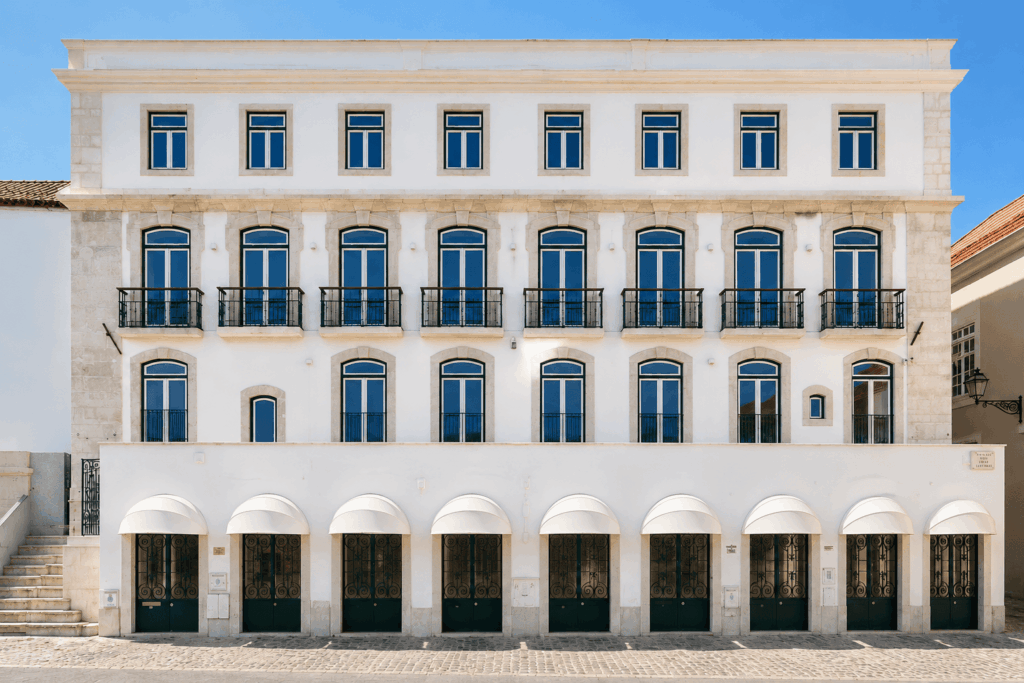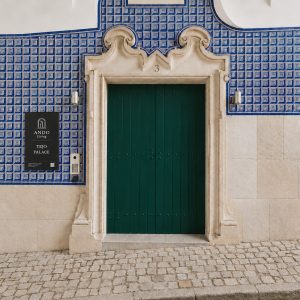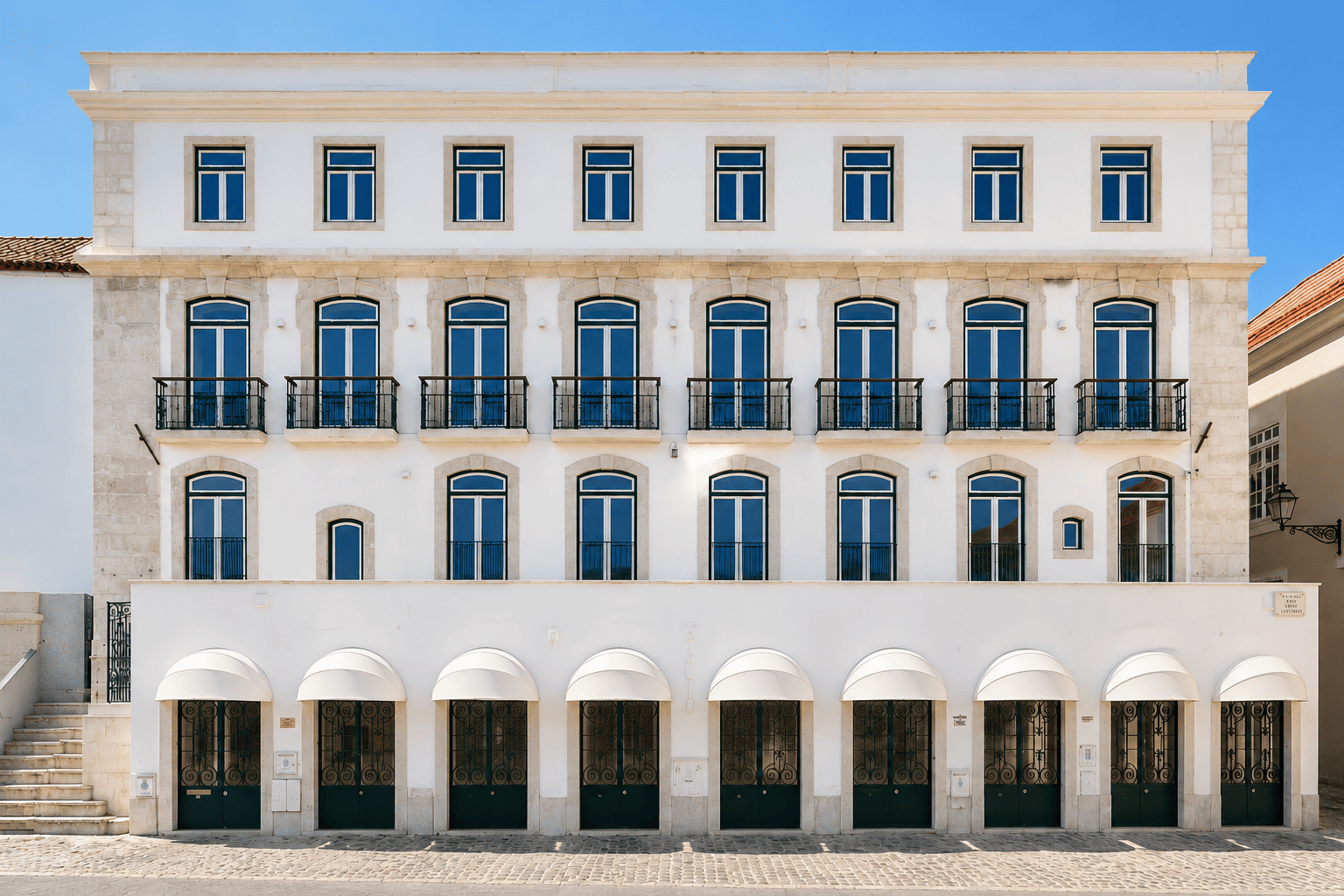
In Campo das Cebolas, where Lisbon’s historic streets meet the Tagus, Ando Living Tejo Palace occupies a building shaped by centuries of change. Its story is closely connected to the evolution of the city itself, from the medieval walls of Lisbon to the noble residences of the 18th century, the reconstruction that followed the 1755 earthquake and the commercial life of the riverside neighbourhood.
Today, this heritage forms the setting for a contemporary stay that brings travellers closer to Lisbon’s past and present.
AT THE THRESHOLD OF THE OLD CITY
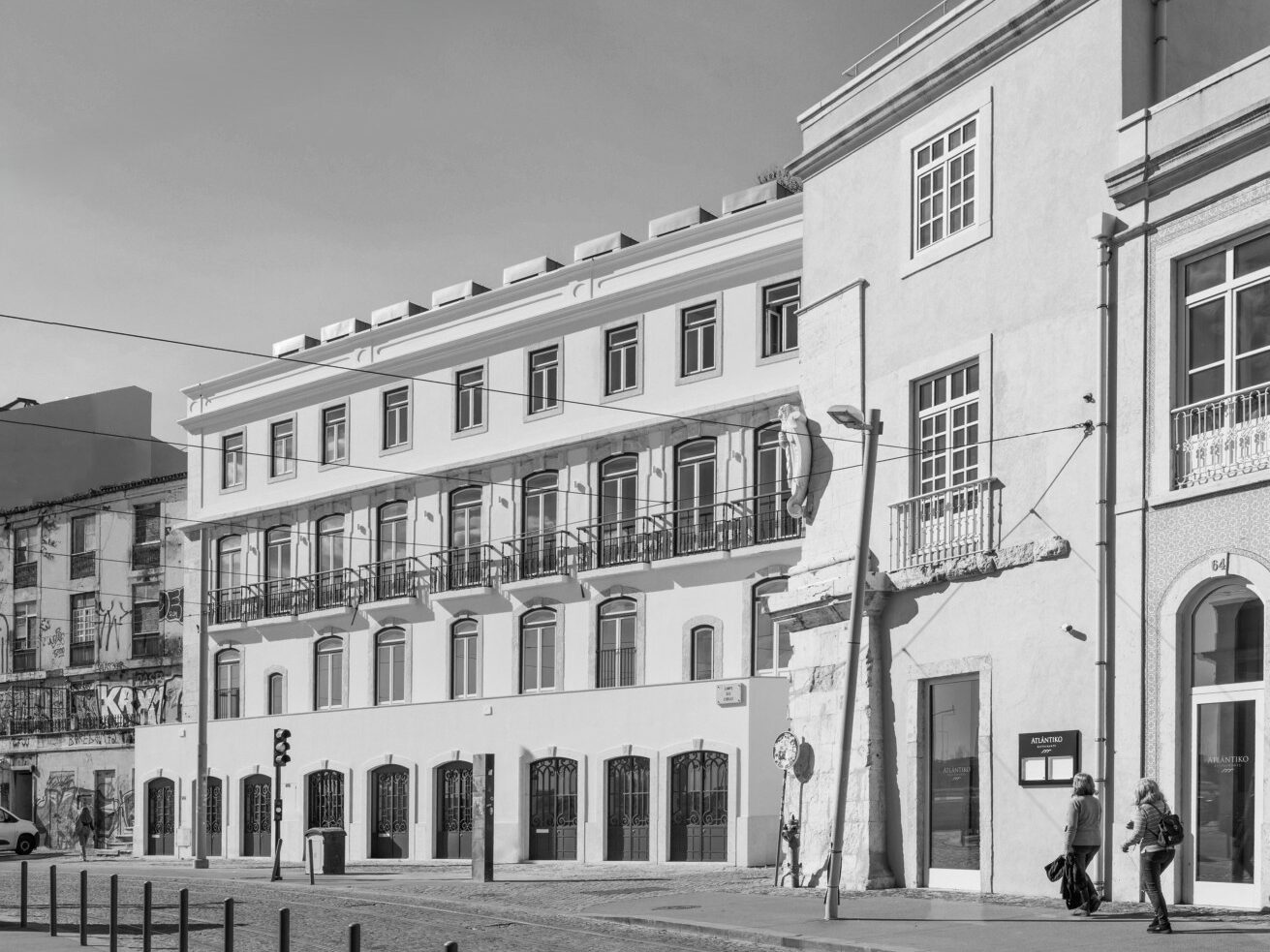
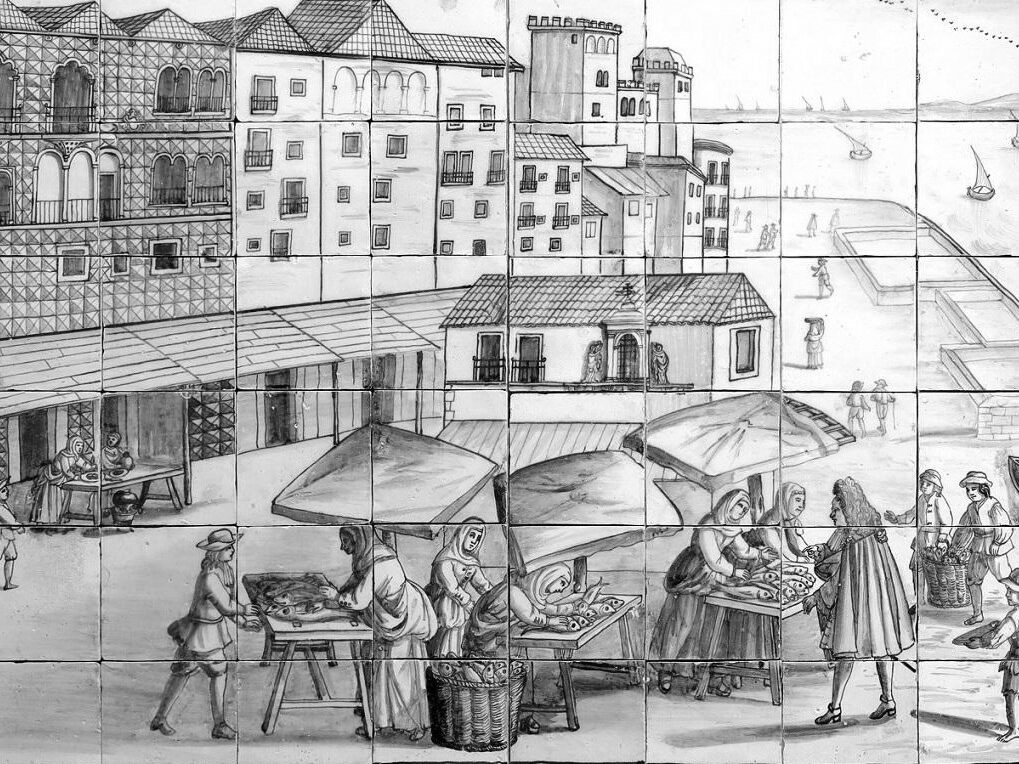
Long before Campo das Cebolas became the open square we know today, this part of Lisbon stood at the edge of the walled city. Beside the building is the Arco de Jesus, historically known as the Porta do Furadouro or Porta do Mar: one of the former gateways through Lisbon’s Moorish wall, connecting the city to the riverfront.
Records indicate that a passage existed here as early as the 16th century, although its origins may reach further back. Facing the Tagus, the gate once provided access between the enclosed city and the beach and port activity beyond its walls. Remnants of the old fortification can still be traced through the surrounding architecture, making this one of the places where Lisbon’s many historical layers remain particularly visible.
FROM NOBLE RESIDENCE TO A CHANGING LISBON
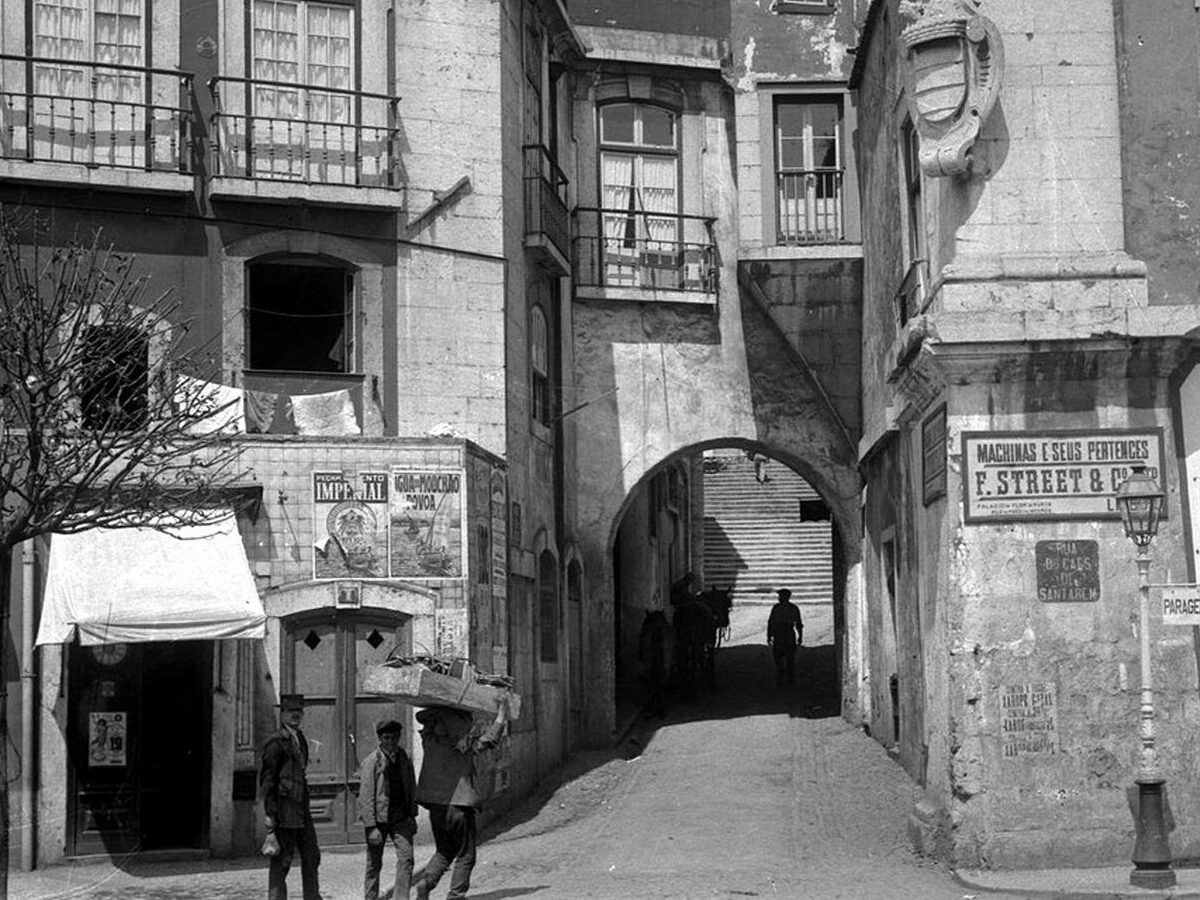
By the beginning of the 16th century, a noble residence is believed to have occupied the site, marking the beginning of the building’s long architectural history. Its position beside the city wall and close to the river placed it at the meeting point between Lisbon’s enclosed urban centre and its growing maritime activity.
Before the earthquake of 1755, the area was lined with palaces and noble houses overlooking the river. The building associated with today’s Ando Living Tejo Palace formed part of a palace belonging to Francisco de Távora, connected to one of Portugal’s most prominent aristocratic families.
The earthquake and subsequent fires transformed much of the Ribeira Velha neighbourhood. Nearby buildings were destroyed or left in ruins, and the urban landscape was gradually reshaped as Lisbon rebuilt. Historical research suggests that significant parts of the original 17th-century structure survived, particularly around the Arco de Jesus.
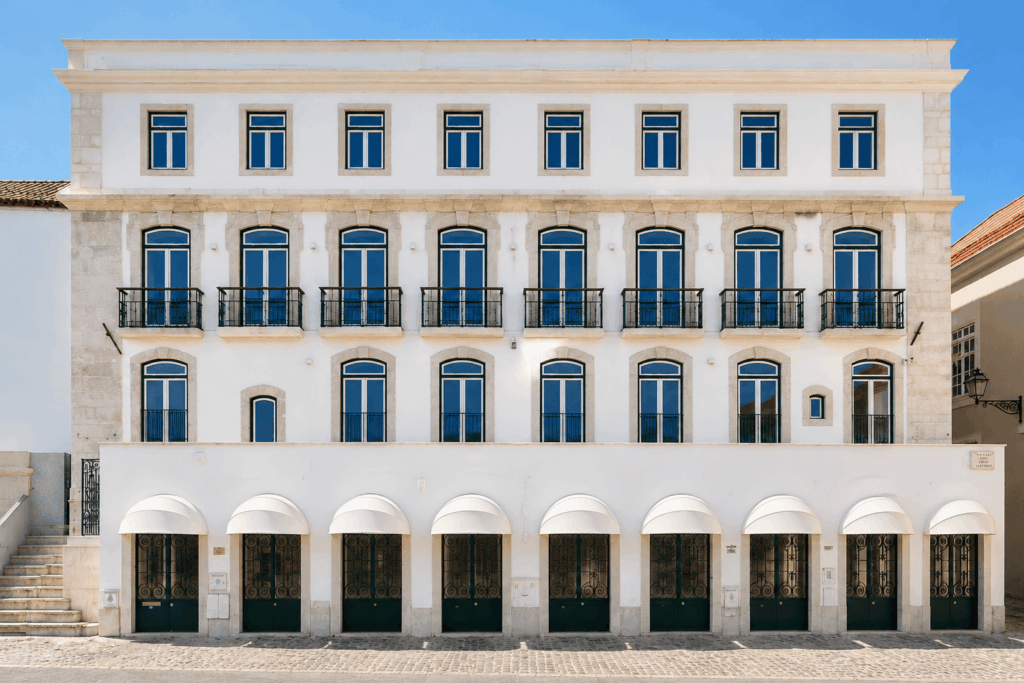
Over time, the former palace was adapted to new uses. Additional floors were introduced, interiors were divided and the ground level opened onto Campo das Cebolas through a series of shops. Rather than belonging to a single moment in history, the building became an evolving record of Lisbon, one that continued to change alongside the people who lived and worked within it.
A HOUSE OF MANY LIVES
During the 19th and 20th centuries, the building became part of the everyday commercial rhythm of the neighbourhood. Historical records mention wine and petiscos, tobacconists, warehouses, offices and a watchmaker’s workshop among its many occupants.
These successive uses speak to the character of Campo das Cebolas as a place shaped by movement and exchange. Close to the river and the port, it brought together residents, craftspeople, merchants and travellers from across the city and beyond.
The architecture still carries traces of these different lives. Stone arches, generous vaulted spaces and sections of masonry are believed to belong to the building’s earliest phases. The entrance beneath the Arco de Jesus leads towards a noble staircase, where stonework and carefully proportioned landings recall the scale and dignity of the former palace. Elsewhere, later additions reveal how the building was adapted over time rather than frozen in a single period.
A NEW CHAPTER FOR TEJO PALACE
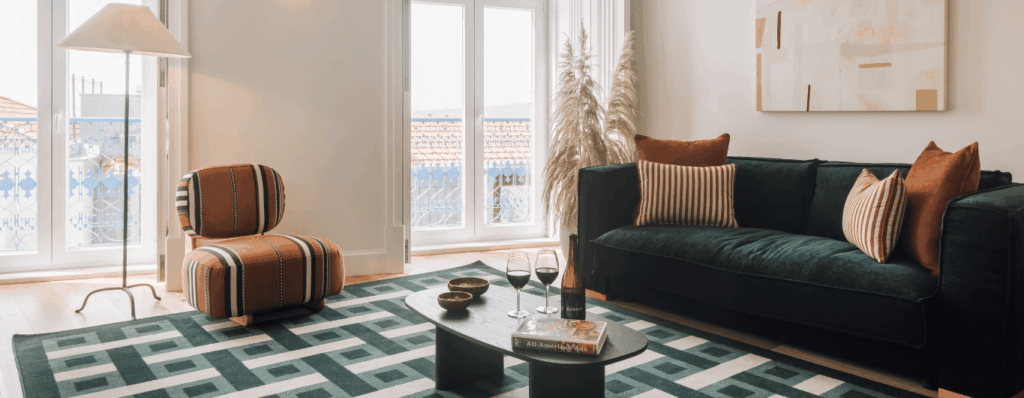
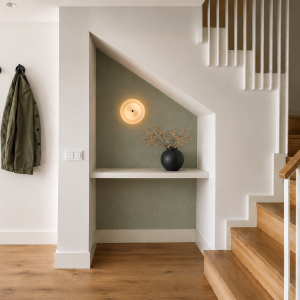
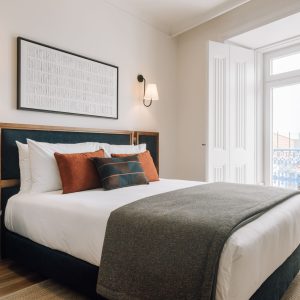
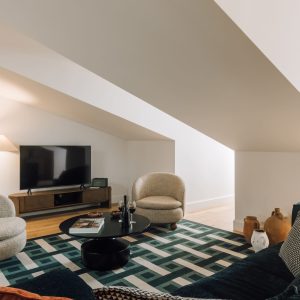
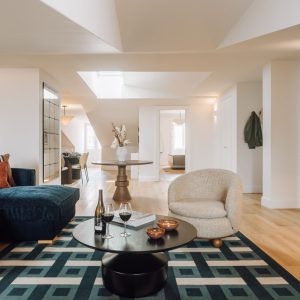
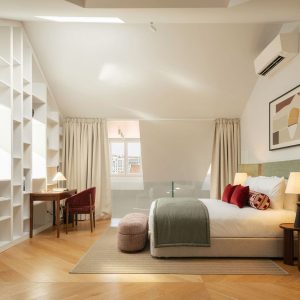
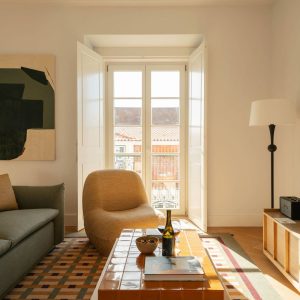
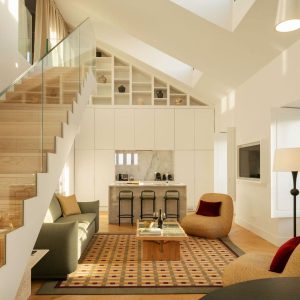
The transformation into Ando Living Tejo Palace continues this tradition of evolution. The building’s defining historical features have been carefully considered alongside the comfort and functionality of contemporary living, allowing its character to remain part of the experience.
Inside, serviced apartments offer the privacy and ease of a home in one of Lisbon’s most historically significant neighbourhoods. Outside, the riverfront, Alfama, the Sé Cathedral and the streets of the Baixa are all within easy reach.
Ando Living Tejo Palace is more than a place from which to explore Lisbon. It is an invitation to stay within the city’s story, surrounded by architecture that has witnessed noble life, seismic change, generations of local commerce and the constant movement of the Tagus.
A palace with centuries behind it, ready for what comes next.
Stay like you belong, wherever you go.
DISCOVER ANDO LIVING TEJO PALACE